
Ottanthullal: The Man Who Becomes Many
A narrative feature on master artist Maruthurvattam Kannan

The transformation begins with stone.
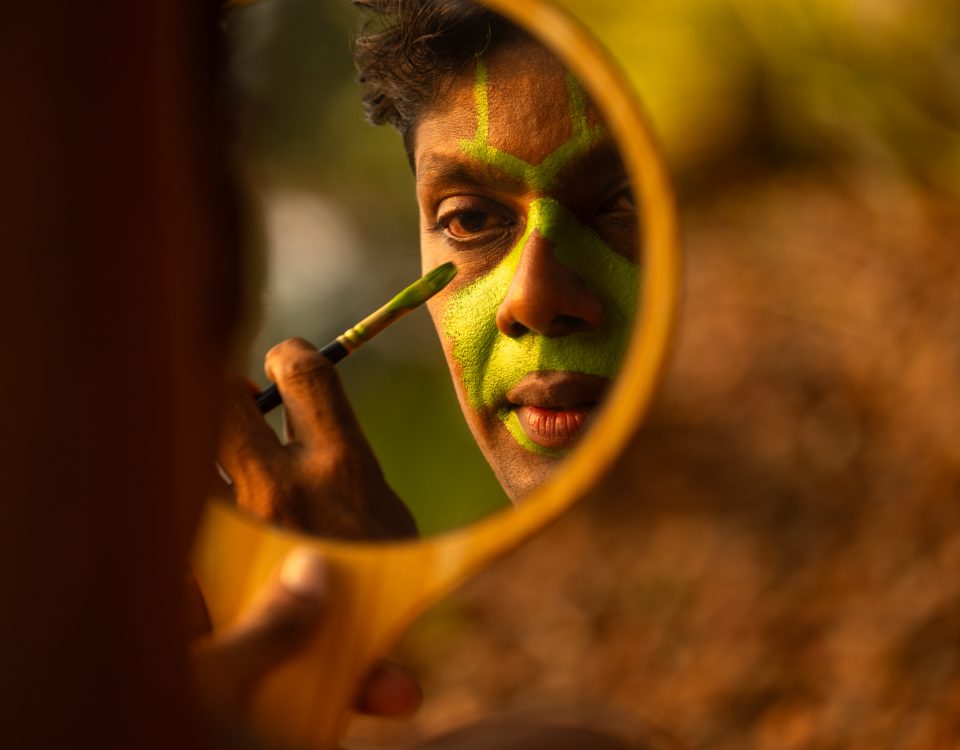
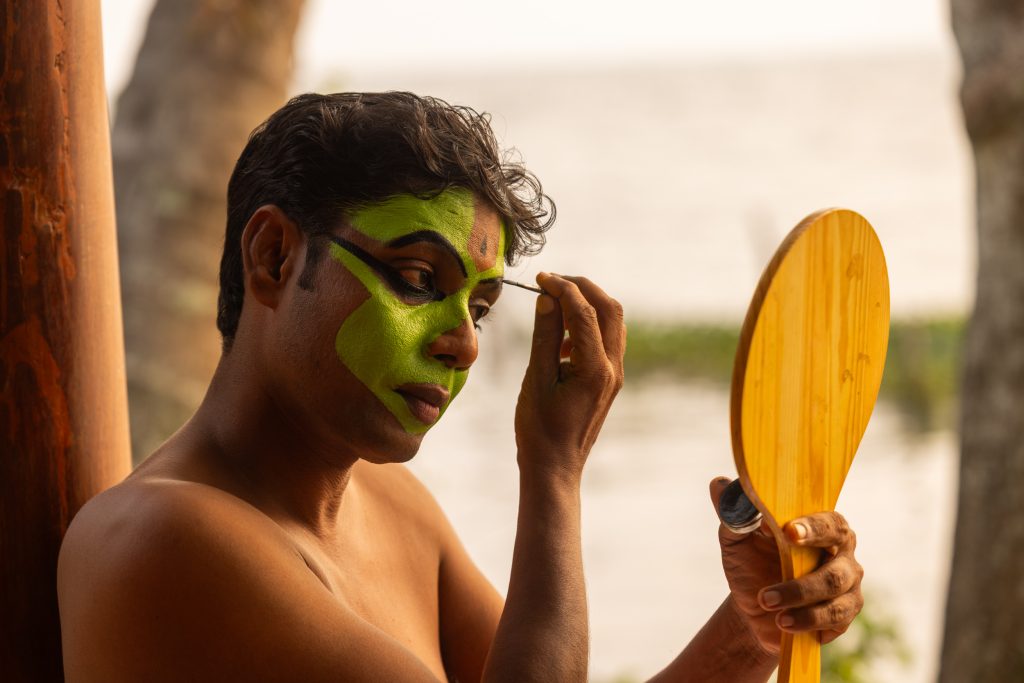
In a quiet corner, seated before a mirror that reflects both the present and centuries past, Maruthurvattam Kannan lifts a small piece of mineral pigment. The stone is called maniola. It is ground carefully and mixed with coconut oil until it becomes a deep, luminous green. With steady hands he applies it across his face, layer by layer. The colour spreads slowly over the skin, not as decoration but as preparation.
Within the hour, Kannan will no longer be himself.
He will become a warrior. A monkey god. A grieving woman. A trickster. A king.
He will become many.
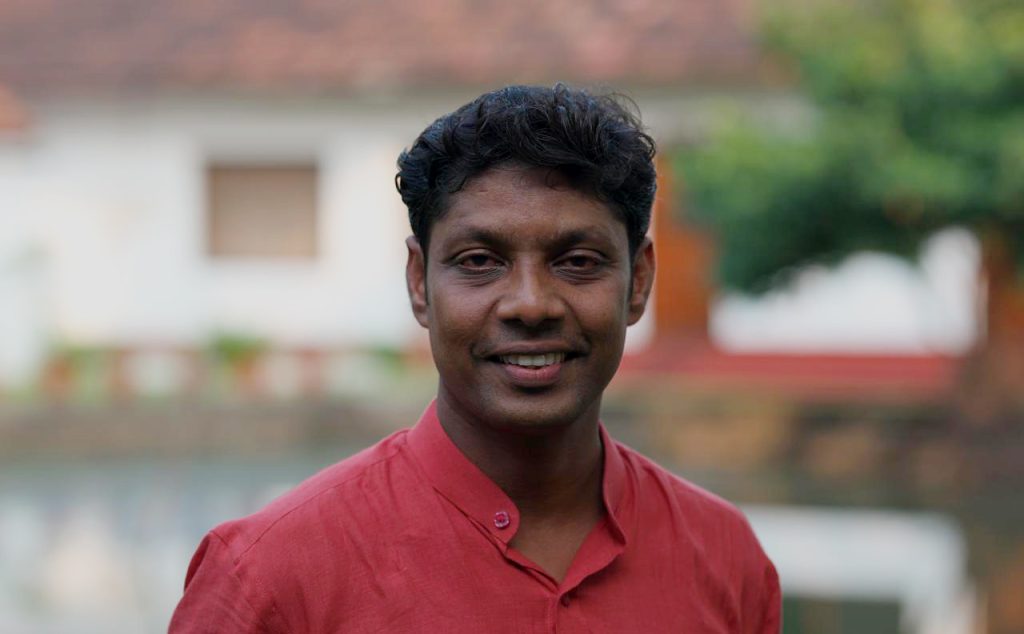
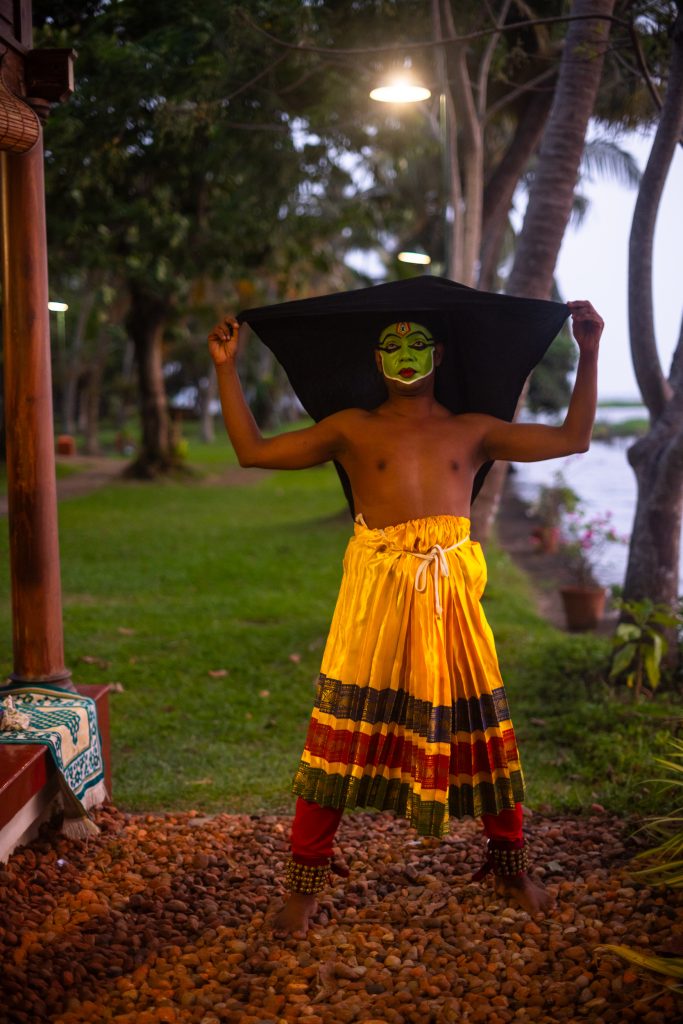
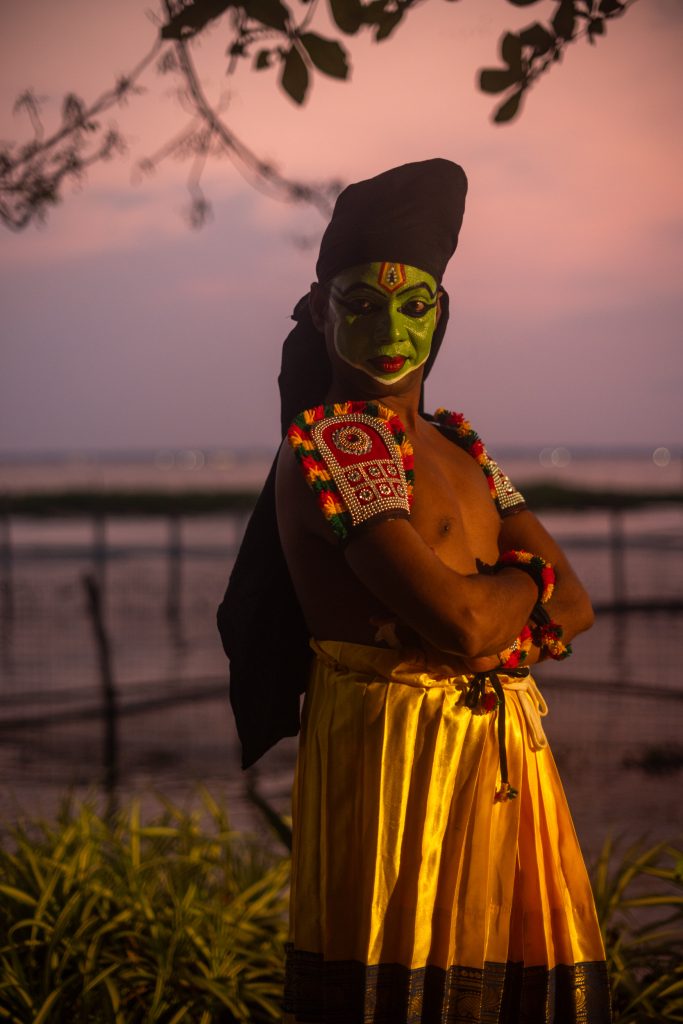
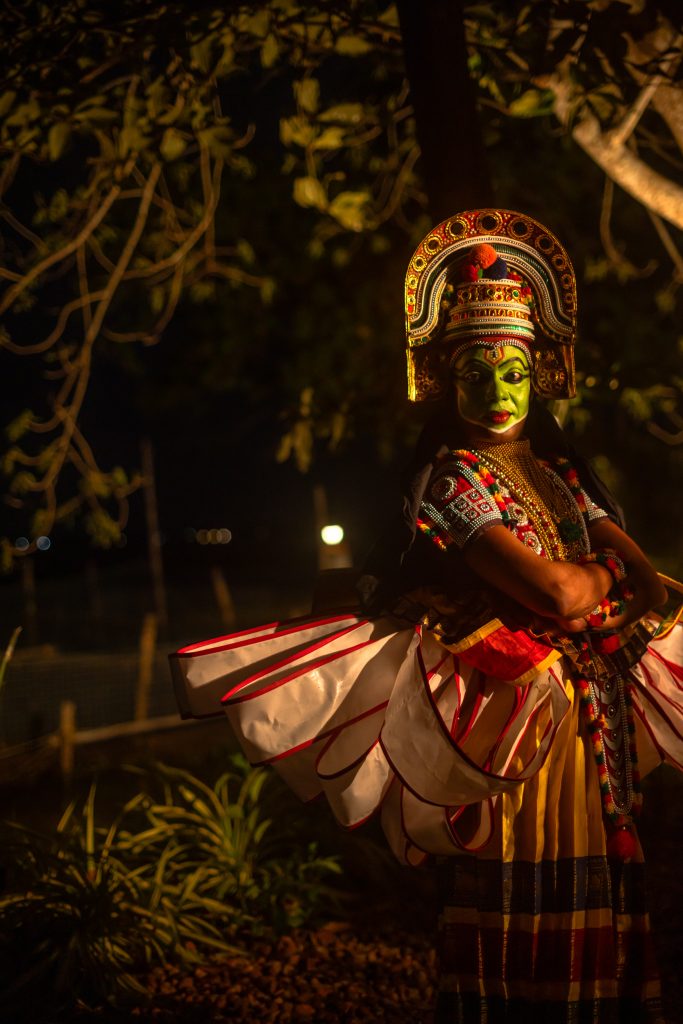
For more than four decades this ritual has marked the beginning of every performance. Kannan began performing when he was five years old in his village of Maruthurvattam near Cherthala in Kerala’s Alappuzha district. Today, at forty five, he stands among the dedicated practitioners of Ottanthullal, a performance tradition that has travelled across centuries without losing its immediacy. It is theatre, dance, storytelling, satire and poetry all at once, held together by the discipline of a single performer.
Ottanthullal is not simply performed. It is inhabited.
The birth of a people’s theatre

The origins of Ottanthullal lie in an act of quiet rebellion. Its creator, the poet Kunjan Nambiar, lived in a time when performance traditions were largely reserved for courts and temples, where language itself formed a barrier. Classical theatre unfolded in Sanskrit, a language revered but distant from everyday life. For most people it remained something to watch but not entirely understand.
Kunjan Nambiar altered that relationship. He created Ottanthullal in Malayalam, the language spoken by ordinary people. He filled it with humour, satire and sharp observations of the society around him. Kings, priests, scholars and warriors all found themselves reflected in his verses, sometimes with affection, sometimes with gentle mockery. Through storytelling he turned performance into commentary.
Ottanthullal became a theatre of the people.
Even its name suggests movement and energy. Oottan refers to running. Thullal suggests jumping or leaping. The form is dynamic, quick in rhythm and immediate in its appeal. Where other classical forms unfold slowly and ceremonially, Ottanthullal moves with playful urgency. It speaks directly to its audience.
Centuries later the same spirit continues through artists like Kannan.
Becoming the story
Backstage before a performance Kannan prepares in near silence. The costume is elaborate yet purposeful. Around his waist sit layers of bright ornaments and pleated fabric. The face carries the signature colours of the form. Green dominates the base while white highlights sharpen the contours of the eyebrows and cheeks. Red and black accentuate the lips and eyes.
The makeup is not ornamental. It amplifies expression.


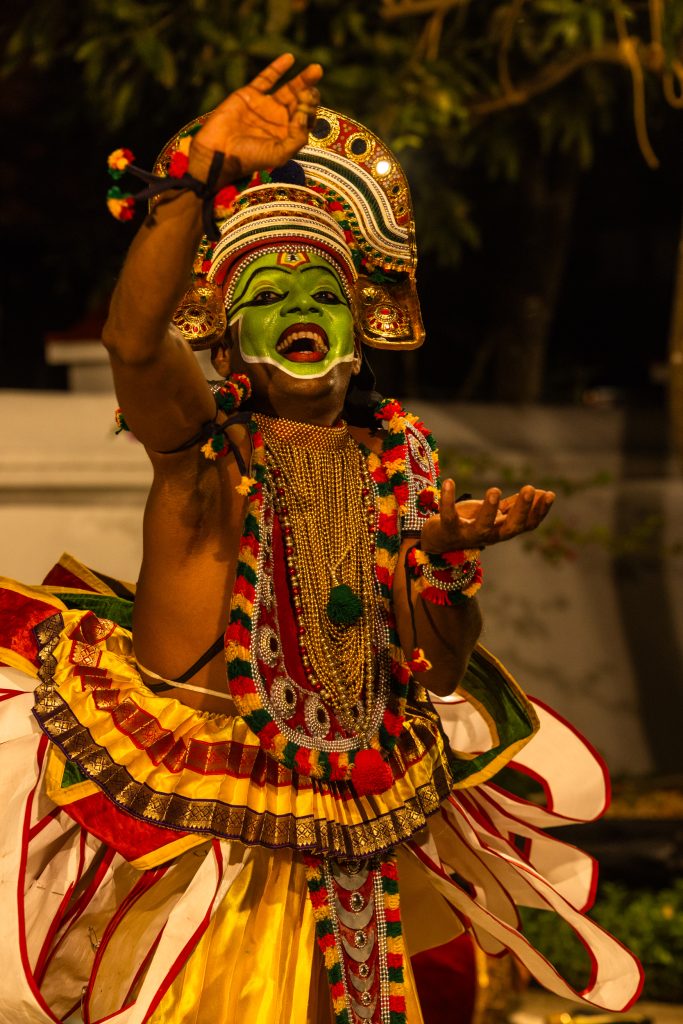
Ottanthullal is a solo performance, but it contains many lives within it. A single artist must move through an entire cast of characters without leaving the stage. In one moment Kannan is Bhima, the powerful warrior from the Mahabharata. Moments later he becomes Hanuman from the Ramayana, the devoted monkey god whose strength lies in both courage and humility. A subtle change in posture and expression and he shifts again, this time into the presence of a woman.
The transformation is immediate. There is no pause for costume changes or elaborate stagecraft. The body alone carries the shift. A change in the angle of the chin, the rhythm of the steps, the tension in the shoulders, the movement of the eyes.
Years of practice make these transitions possible. For Kannan the preparation is both physical and mental. Each character demands a different energy and emotion. The performer must step into it completely, even if only for a brief moment.
Imitation is not enough. The performer must believe in the character while it lives within him.
A language beyond words
Ottanthullal speaks in several languages at once. There is the rhythm of the percussion that anchors the movement. But the most powerful language is expression.
A sudden widening of the eyes can evoke surprise or fear. A curved smile carries mischief. A tightening of the jaw suggests anger or resolve. The performer’s face becomes a landscape of shifting emotions.
These expressions belong to the ancient framework of the Navarasas, the nine emotional states that shape Indian aesthetic traditions. Love, humour, anger, compassion, courage, fear, disgust, wonder and peace all appear in different moments of the performance.
Hand gestures deepen the storytelling. Ottanthullal employs a series of mudras that function almost like alphabets. Each gesture carries meaning. A particular movement of the fingers can suggest an elephant or a bird. A raised palm can signal command or blessing.
For audiences who do not understand Malayalam, these gestures and expressions become the bridge to the story. The emotion travels beyond language. The meaning becomes visible.
Satire as reflection
Humour is central to Ottanthullal, but its purpose runs deeper than entertainment. Kunjan Nambiar used satire as a way to address social realities of his time. Through the playful exaggeration of epic characters he was able to reflect everyday behaviour. Pride, vanity, hypocrisy and foolishness all appear in familiar forms.
Audiences laugh because they recognise something of themselves in these portrayals.
The epics of the Mahabharata and Ramayana provide many of the stories, yet Ottanthullal never treats them as distant mythology. Instead the characters feel human and immediate. Through wit and exaggeration they become mirrors held up to society.
Laughter becomes a way of seeing truth.
The discipline behind the performance

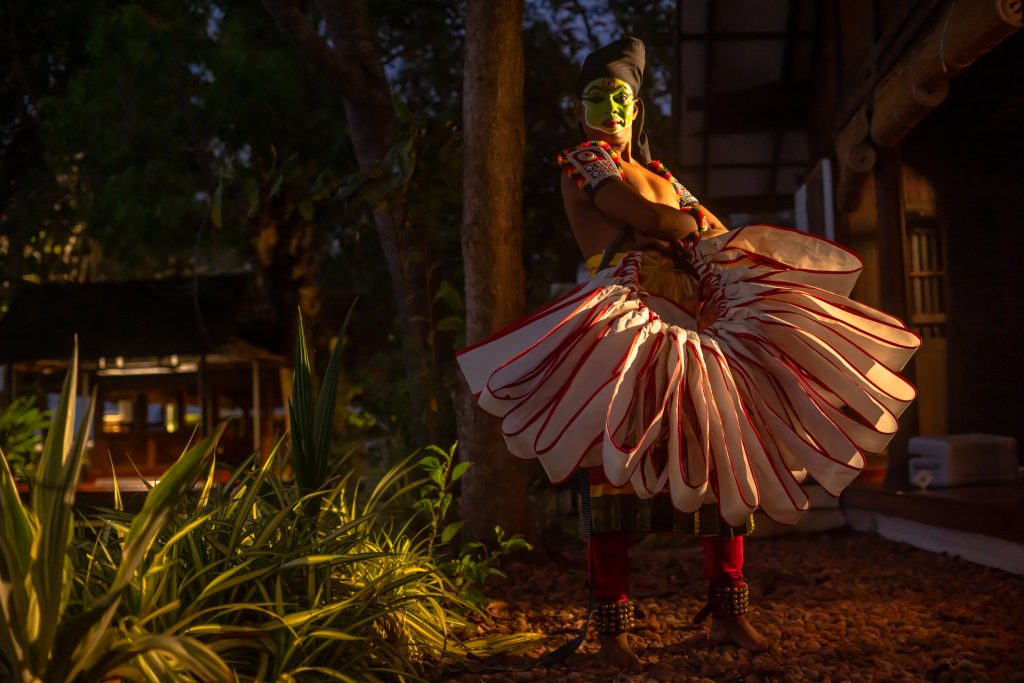
The ease of the performance hides years of training. Students of Ottanthullal begin by learning control over the body. Exercises focus on the feet, the hands, the eyes and the muscles of the face. Every movement must remain precise even during rapid transitions between characters.
Rhythm forms another foundation of the training. Performers learn several rhythmic cycles that structure the dance. They memorise long passages of verse and develop the stamina required to sustain performance while maintaining expression.
True mastery takes years.
Even after forty years on stage Kannan continues to refine the details of his craft. Experience deepens the performance. Each story gathers new layers of nuance.
Carrying the legacy
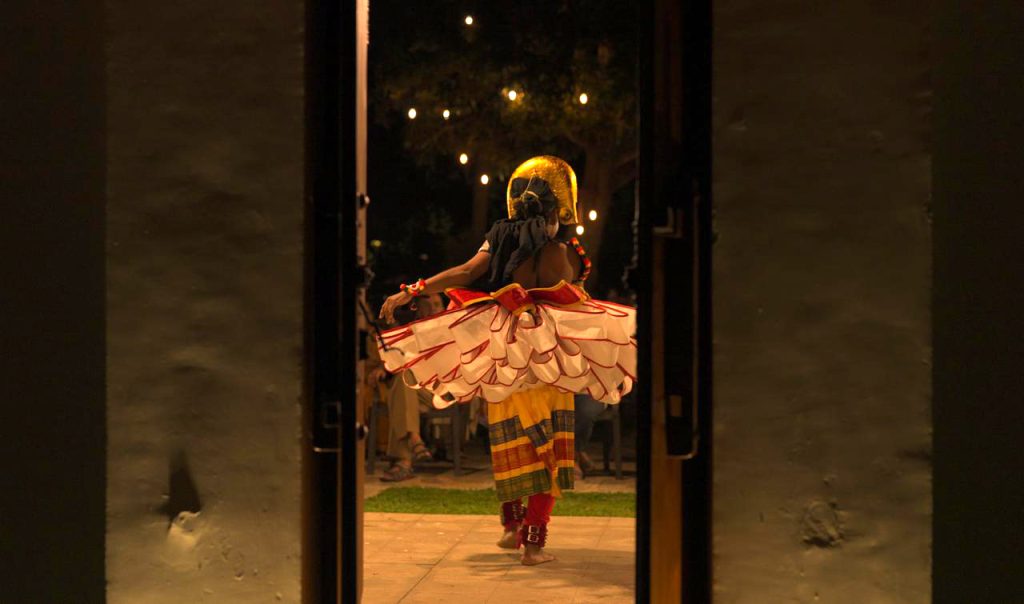
For Kannan, performing Ottanthullal is more than a profession. It is a responsibility to a tradition that has travelled through centuries. Over the past twenty five years he has performed across many cultural spaces, sharing the art form with audiences far beyond Kerala.
Yet he speaks of the future with a measure of concern. Many young students encounter Ottanthullal only briefly during school festivals or competitions. Few pursue the discipline as a lifelong calling. The form demands patience, practice and devotion, qualities that can be difficult to sustain in a changing cultural landscape.
Still the performances continue.
Each evening on stage becomes an act of preservation.
The moment of becoming

When the drums begin, Kannan steps forward into the light. The stage is simple. There are no elaborate sets, no large cast of actors.
He stands alone.
Yet he carries within him centuries of poetry, rhythm and storytelling. With the first movement of his eyes the transformation begins. The posture changes. The expression sharpens.
Now he is Bhima.
In another moment he becomes Hanuman.
Then someone else entirely.
The audience watches the transformation unfold in real time. There is no illusion here, only the extraordinary ability of the human body and imagination.
In Ottanthullal one performer becomes many lives.
And through that transformation an ancient art continues to breathe.