

The Living Memories of Forest
A Story About the The Indigeneous Mannan Tribe
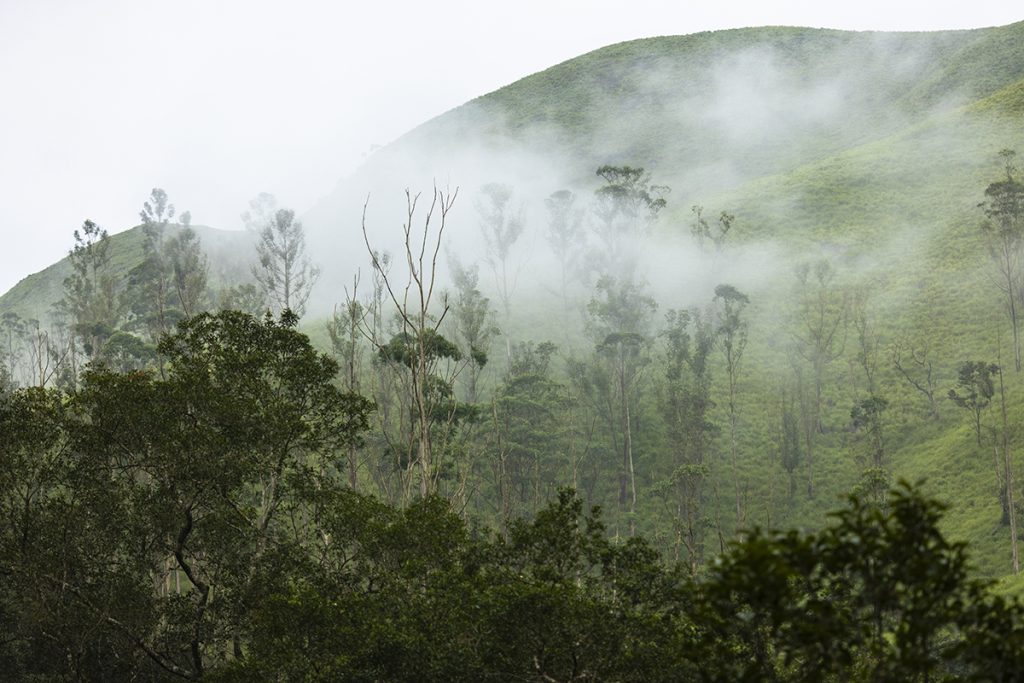
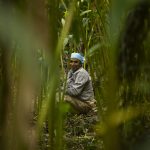
The first thing you notice is the silence. Not the absence of sound, but a living silence, stitched with cicadas, the rustle of palm leaves, and the deep breathing of the forest itself. Under the canopy he sits, bright eyed, soft spoken he reflects to his life, community and ways with the forest.
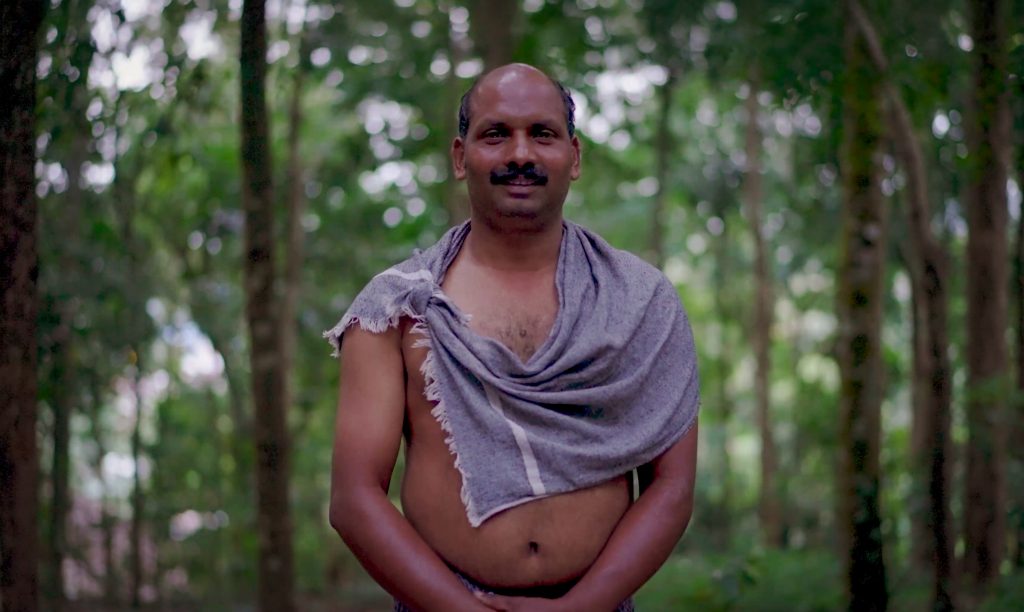
“My name is Shaji,” he begins simply. “I belong to the Mannan community. I have three daughters. They are studying.”
The Mannan are the people of the forest. They have always been. Even today, about 300 to 350 families live within this landscape. The forest thrives within them, living, breathing.
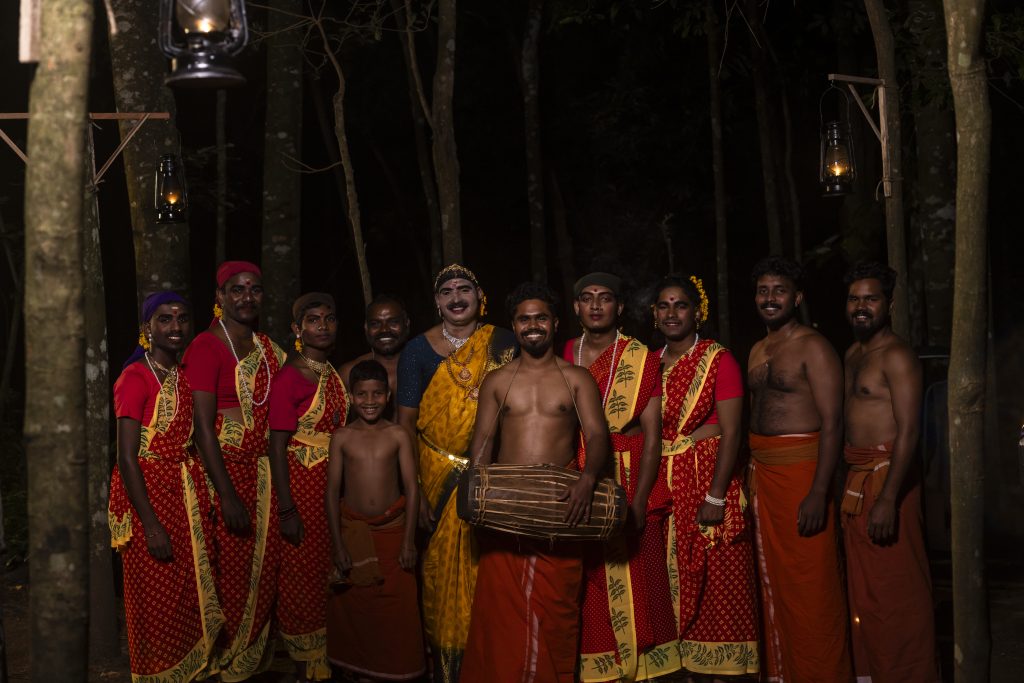
Once, they had no connection with the outside world. There was a time when stepping beyond the forest was unthinkable, forbidden by circumstance and custom. Today, their children go to school. Some work as guides. Some drive cars. Some work in government offices. But the forest still breathes inside them
At the heart of the Mannan identity lies something rare in India’s tribal landscape: a living royal system.
“We still have our royal family,” Shaji says . The king is called the Varakmalan , a title reserved only for the Kunakudi lineage Not everyone can hold that position. It is passed through a deeply specific tradition: the father-in-law installs the daughter-in-law into the position during the Kalakutta period.
There are two key roles, Varakmalan and Nattumalan. The Nattumalan governs daily life, and the people live under his authority Within the community are subgroups — upajathis — including the Kanikar, known among them as Chavarvelan.
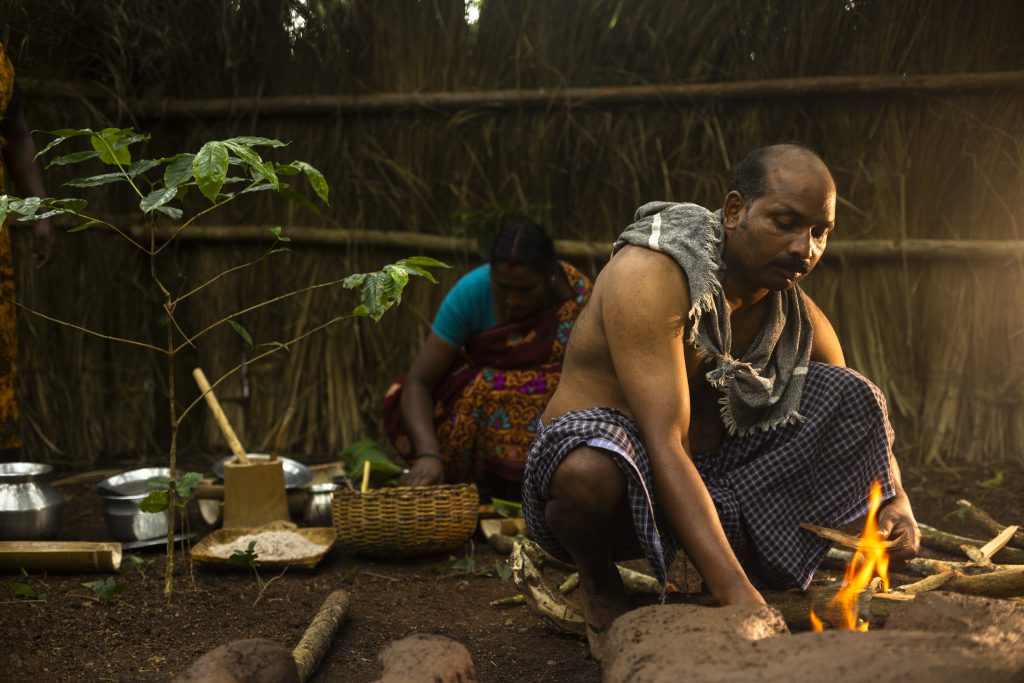
This system is not ceremonial. It regulates life. Elders guide behaviour. Rituals structure family duties. Even if houses have changed from grass shelters to more structured dwellings, the cultural spine has not. There was a time when they lived together in grass houses without rooms. They sowed forest grains and seeds. They fished the waters around the Mullaperiyar Dam, once exclusively permitted to them.
Elephants would pass through their settlements. There were no fences, no barriers.They never called the elephant by its name. “We called it Paati,” Shaji recalls. When elephants approached too closely, they would sing, not to scare, but to signal.
Fishing was not merely livelihood; it was communion. They spent nights by the Chengadam waters, children beside them, singing into the darkness as elephants, peacocks and birds moved through the moonlit forest.
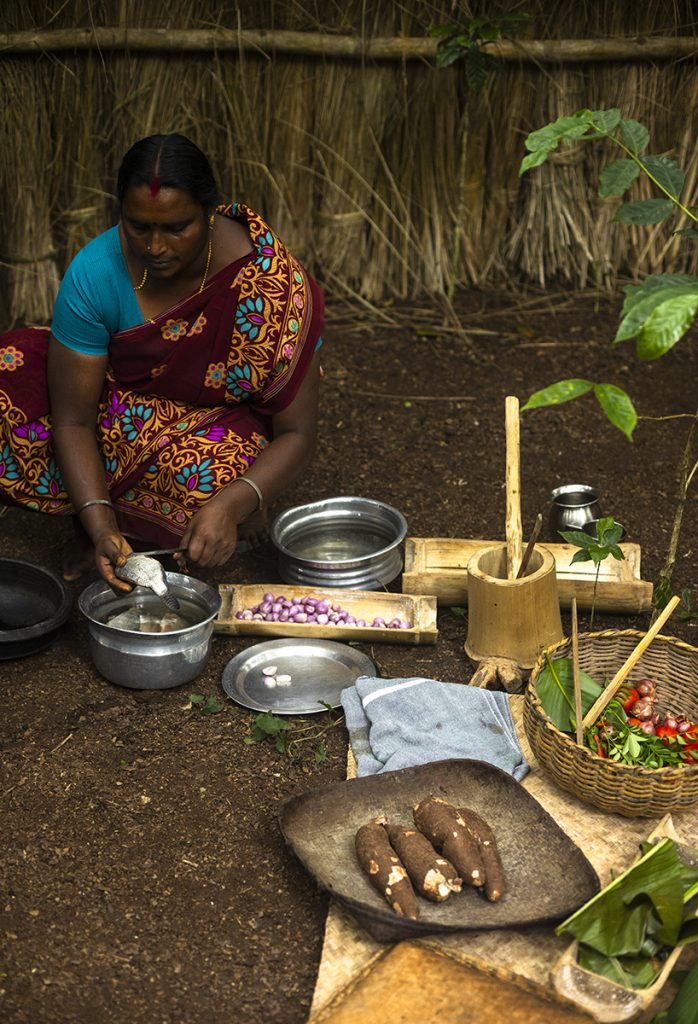
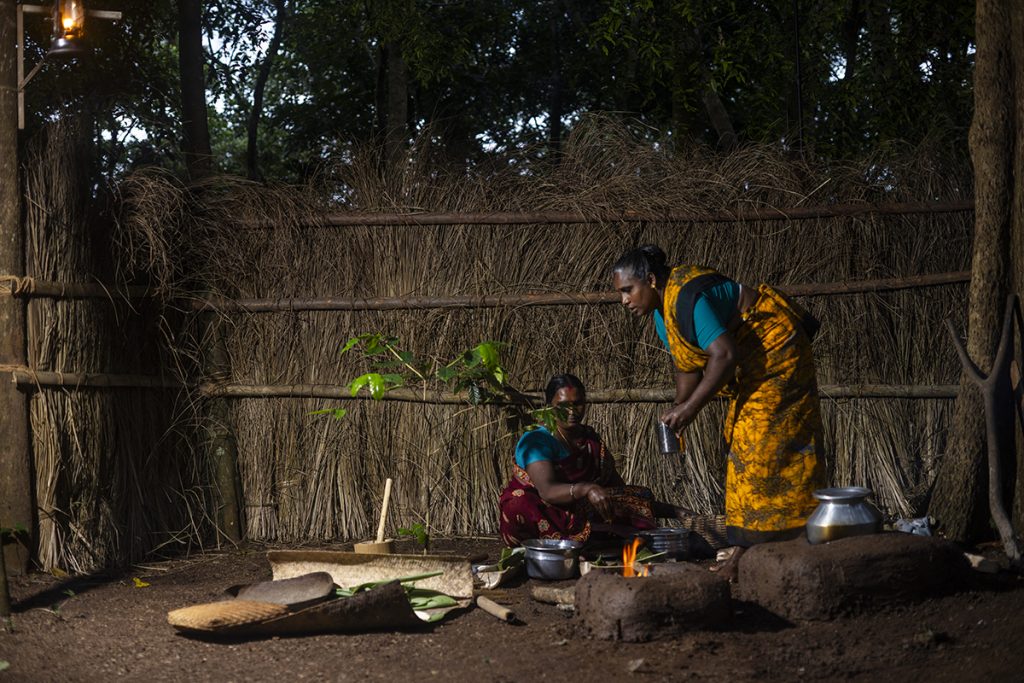
Today, Shaji insists on taking the children back into the forest. “When school closes, they stay there for a week,” he says They wash their own clothes. Mend fishing nets. Walk 10 to 15 kilometres deep into the woods.
At night, when fear rises like mist, they are told to pray to the forest gods. Four or five families camp together so the young understand how the Karnamars . their forebears. once lived
And then there is honey. Honey gathering is not extraction. It is ritual negotiation. At night, during what they call Then Maravanam, certain foods are forbidden. The honey tree must first be offered honey before humans may take any. The climber ascends using a rope or stick called Kodi or Kuttapathram. Fire is lit carefully, covered with green leaves so that ants do not die.
“No one can eat the honey the tree has not eaten,” he says.
When the honeycomb is cut, ants swarm. The gatherers pray for them to come down peacefully. Only when the ants retreat can the honey be lowered It is an act of patience, humility and restraint, lessons the children must witness firsthand.
In 1996, change arrived in structured form: the Eco-Development Project . Forest protection and employment were brought together. Mannan youth became guides under TTEDC and THEDC. They lead trekking, bamboo rafting, and night walks. Yet even in tourism, they move as the forest teaches them.
A signal from the right side of a tree means something approaches. A sound carried half a kilometre ahead is read like language. The forest speaks. They listen.
Despite modern facilities, Shaji’s longing is clear.
“We want to live our old lifestyle in the forest. We need education and change. But we want peace. No tension. No irritation”
Before leaving, he sings a fragment of Manyan Koothu ,invoking Shiva, Rama, and the gods and goddesses of the forest
It is both prayer and proclamation: they are sons of ancient lineages, dancers in the sleep of gods, guardians of a forest that still remembers their footsteps. Stand there long enough, and you begin to understand: the Mannan are not people who live in the forest.
They are people the forest still trusts.